Preparing a Commercial Kitchen for Extreme Cold: Refrigeration, Ventilation & Safety
January 9th, 2026
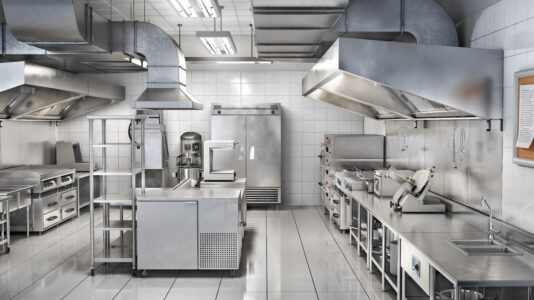
January is one of the toughest months for commercial kitchens. Sudden temperature shifts, dry air, condensation risks, and refrigeration systems running at full power all create the perfect storm for breakdowns and safety concerns. Here’s how to prepare your kitchen for extreme winter conditions.
- Optimize Winter Ventilation
Many kitchens reduce ventilation to retain heat in winter, but this can lead to:
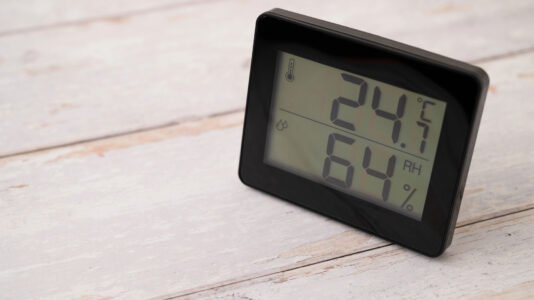
- excess humidity,
- condensation on walls and hoods,
- reduced equipment efficiency.
Ensure hoods are working properly, filters are clean, and your ventilation system is removing hot, greasy air without causing unnecessary heat loss.
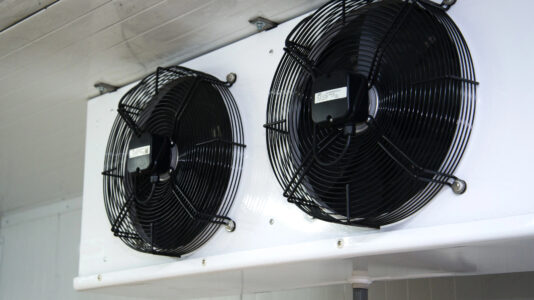
- Protect Refrigeration Systems
Walk‑ins, fridges, and freezers are sensitive to extreme cold. To prevent failures:
- check door gaskets for cracks or leaks,
- make sure no refrigeration lines are exposed to freezing temperatures,
- keep sufficient airflow around units,
- inspect thermostats and sensors regularly.
Poor calibration can cause the system to overcompensate for outdoor cold, increasing energy consumption.
- Monitor Frost Buildup
Frost is often the first sign of refrigeration issues. In January, it can accumulate faster due to temperature contrast between prep areas and cold rooms.
Catch it early to prevent:
- compressor overload,
- cross‑contamination,
- energy inefficiency.
- Secure Sensitive Areas
Cold, dry winter air paired with wet kitchen floors creates significant slip risks. Entry zones are particularly problematic.
Improve winter safety by:
- installing anti‑slip mats,
- controlling humidity,
- de‑icing entry thresholds,
- monitoring drains to prevent freeze‑related backups.
- Schedule Preventive Maintenance
A thorough winter inspection keeps your kitchen running smoothly.
Request a professional check‑up including:
- system pressure testing,
- refrigerant‑level verification,
- deep cleaning of coils,
- sensor and thermostat calibration,
- full performance assessment.
In Conclusion
A winter‑ready commercial kitchen is safer, more efficient, and more reliable. By anticipating the challenges of extreme cold, you protect your equipment, maintain food safety, and avoid costly service interruptions.