
Commercial Refrigeration: 6 Signs Your Compressor May Be Developing an Issue (Before a Breakdown)
February 9th, 2026
In a commercial kitchen, grocery store, or food business, the compressor is the “heart” of the refrigeration system. Since it runs 24/7, it usually doesn’t fail overnight — it almost always shows early warning signs. In February, when operations are busy and equipment runs continuously, catching these signs early can prevent product loss, emergency service calls, and unexpected costs.
Here are 6 clear signs to watch for, and what to do if you notice them.
-
Much longer run times
If your system seems to run constantly or much longer than usual, it may indicate:
- reduced efficiency,
- overload,
- or a component working harder than it should.
What to do: check temperature settings and how often doors are opened.
-
Unstable temperatures
A compressor issue may cause:
- temperature fluctuations,
- uneven cooling inside the unit,
- products not staying at consistent temperatures.
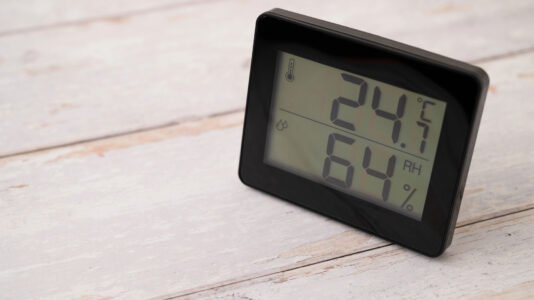
What to do: use a reliable thermometer and track changes over 24 hours.
-
Unusual noise (louder or different)
A noise change can be a major signal:
- vibration,
- rumbling,
- clicking,
- a heavier sound than normal.
What to do: don’t wait for it to “go away.” A quick inspection can prevent a bigger repair.
-
Abnormal frost or ice buildup
Excess frost is not just cosmetic. It can indicate the system is compensating too much or airflow is unbalanced.
What to do: check door seals, defrost frequency, and air circulation.
-
The system feels hotter than it should
If you notice:
- excessive heat around the unit,
- unusually warm areas near the condenser,
- warmer airflow than normal,
it may mean the equipment is working harder than necessary.
What to do: check condenser cleanliness (a simple cleaning can help a lot).
-
Rising energy bills with no clear reason
When efficiency drops, the compressor uses more power. If costs rise without operational changes, it’s a warning sign.
What to do: compare monthly usage and schedule an inspection.
When to call a technician
If you notice more than one or two signs, it’s time to have the system evaluated. A technician can:
- test pressures,
- inspect components,
- prevent breakdowns,
- optimize performance.
In conclusion, it’s never “too early” to pay attention to these signs — that’s exactly how you avoid emergencies. Early detection protects your equipment, your inventory, and your operations.